Why renovations stall at the switchboard
The typical story: the builder's electrician has roughed in the new kitchen and extension, goes to connect it, and finds the old switchboard cannot take the new circuits or the mains cannot carry the load. They cannot fix that themselves. A Level 2 is booked, and everyone waits. Knowing the six trigger points in advance means the Level 2 work happens in the right order.
The six trigger points
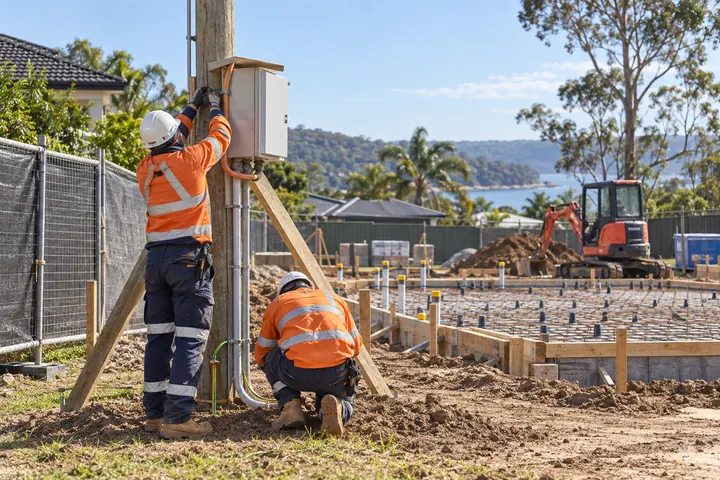
- Moving the switchboard. Common when a wall comes out or the meter box is in the way of the new plan. Moving the board means moving the consumer mains and point of attachment, which is Level 2.
- Adding load. Ducted air, induction, a second oven, a pool, underfloor heating, an EV charger. Enough of these and the mains need upsizing. Consumer mains upgrade.
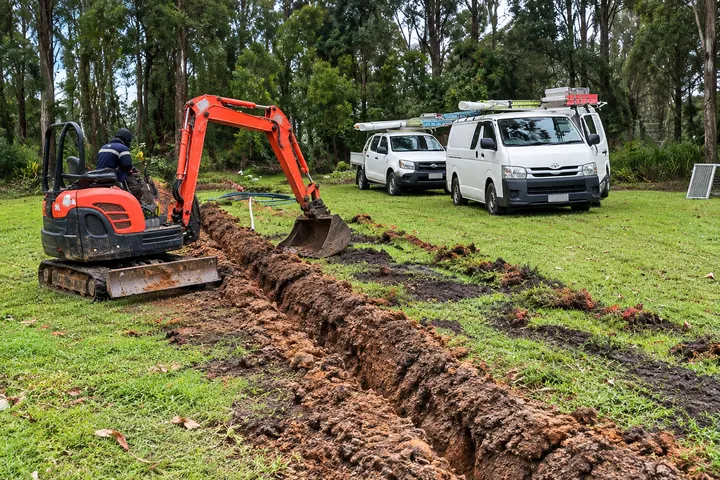
- Going underground. Renovations are the natural moment to lose the overhead cable, especially if the driveway or garden is being redone. Overhead vs underground.
- Temporary disconnection. Demolishing a section, re-cladding the wall the meter is on, or replacing the switchboard all need the supply isolated at the network side. Disconnect and reconnect.
- Meter changes. New switchboard, new meter panel, or a single-to-three-phase upgrade all need a Level 2 to install the meter.
- Reconnection and certification. At the end, the supply is reconnected and a CCEW issued. Your certifier will want it.
The order that works
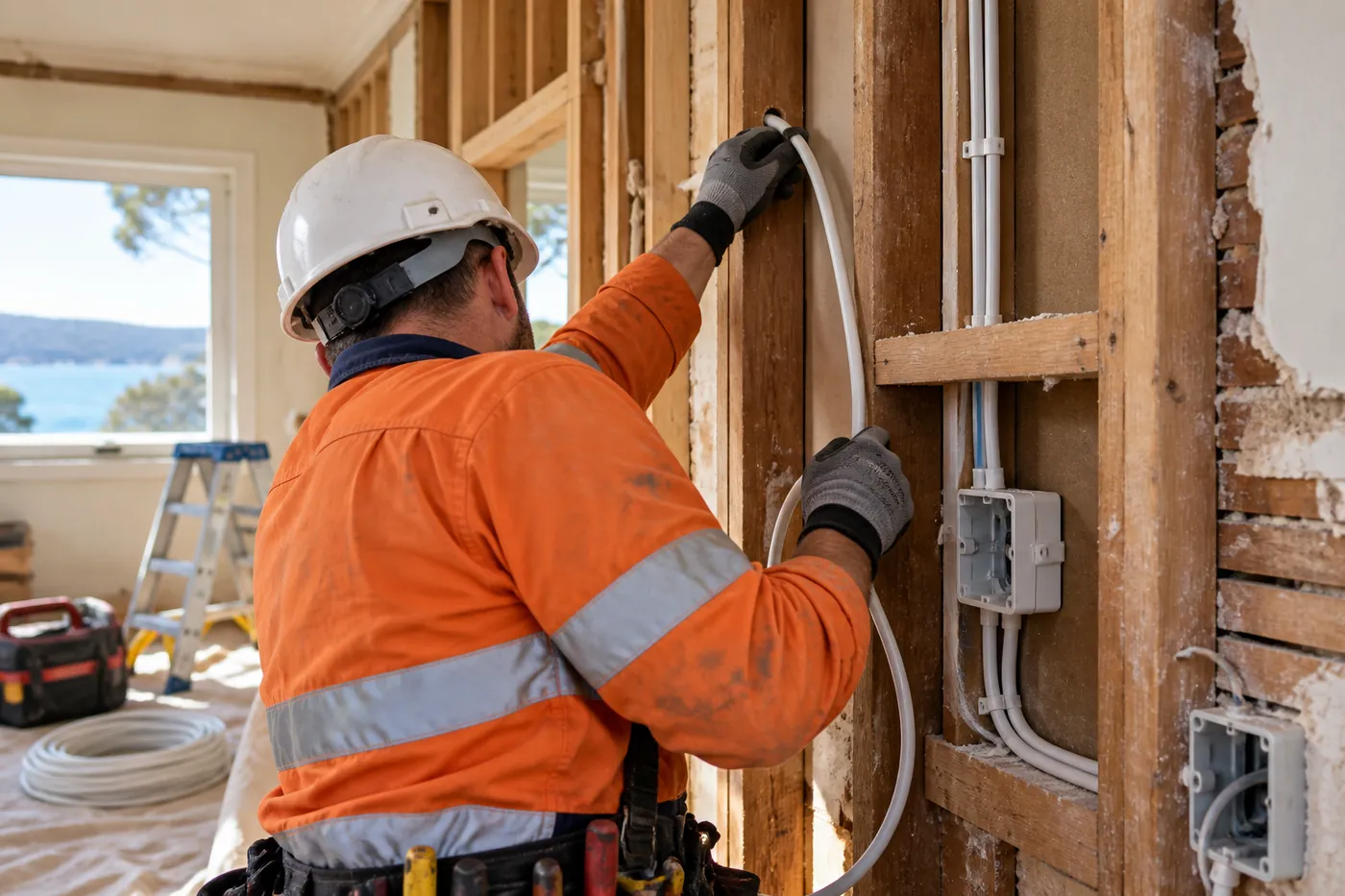
Level 2 first, general electrical second. If the mains and switchboard are done before rough-in, the builder's electrician can connect straight into a compliant board with capacity to spare. Doing it the other way round means two switchboard visits and sometimes redoing work.
Owner-builders
You can absolutely coordinate this yourself. Get the Level 2 quote early, tell us your rough dates, and we will slot the supply work between demolition and rough-in. We work with plenty of owner-builders across the Coast; see builders and trades.
Budget reference
The supply-side items to allow for, roughly in order of cost: a disconnect or reconnect is the smallest; a switchboard upgrade and an overhead consumer mains upgrade sit in the middle; underground mains cost more because of trenching; and a single-to-three-phase upgrade is the biggest, since it touches mains, board and meter. We quote each one fixed after a free site visit. Get them into the renovation budget from the start. They are not surprises if you know they are coming.